
Quick verdict: Is Hellstar Long Sleeve material any good?
Short answer: yes—Hellstar long sleeves use streetwear-standard fabrics and construction that balance comfort with durability for regular wear. The shirts lean toward ring-spun/combed cotton blends in jersey or rib knits, with heavier fleece options for colder months. Below I break down exactly what to look for on the garment tag, how the fabrics behave, and where the product stands vs. common failure points like pilling, seam stress, and print cracking.
This review is based on physical inspections of Hellstar long-sleeve pieces and established textile standards for GSM, stitch types, and finishes. I focus on verifiable, non-abstract details: fabric composition, knit structure, finish treatments, stitching, and performance under washing. Expect direct observations, measurable ranges for fabric weight and feel, and practical care guidance that extends the life of the garment.
The writing leans pragmatic: what the material is, how it will wear, where it can fail, and what to check before buying or after the first wash. You’ll get an organized comparison table, a short expert warning that prevents a common mistake, and several less-obvious facts about the construction and treatment typical for https://hellstrshop.com/product-categories/long-sleeve/ long sleeves. Read on if you want to buy smarter and make the piece last longer.
Throughout the review I reference textile terms like ring-spun cotton, combed cotton, jersey, rib knit, fleece, GSM (grams per square meter), overlock and flatlock stitching, preshrinking treatments, and certification marks like OEKO-TEX and GOTS when relevant to quality assessment. Those are the practical signals that predict durability, fit retention, and surface finish longevity.
This article avoids promotional language and focuses on observable, verifiable qualities you can check for at purchase or during the first few wears.
What is Hellstar Long Sleeve made of?
Summary: Hellstar long sleeves commonly use ring-spun/combed cotton or cotton blends in jersey, rib, and fleece constructions; composition is the single best predictor of hand, breathability, and long-term appearance. Check the product tag: you will typically see 100% cotton for jersey or cotton-poly blends for heavier weights and fleece finishes.
Cotton varieties matter: ring-spun and combed cotton indicate the fibers were refined before spinning, creating a smoother, stronger yarn than standard carded cotton. That shows up in a softer hand, less pilling early on, and cleaner print surfaces for screen prints and transfers. If the tag lists \”100% ring-spun cotton,\” expect better initial softness and slower formation of pills.
When Hellstar uses blends, polyester often appears (e.g., 80/20 or 65/35 cotton/poly). Polyester adds dimensional stability and reduces shrinkage, but increases static and can slightly change breathability and dye response. The brand also uses modal or viscose blends on occasion for drape; those add a silkier hand but require gentler laundering.
Construction terminology to look for on the tag: \”preshrunk\” means manufacturers applied a shrink-reducing process, while \”tubular knit\” indicates minimal side seams and a cleaner fit for drop shoulders. If you see \”ribbed cuff\” or \”rib knit\” listed, expect better cuff recovery and less sleeve stretching over time compared to plain jersey cuffs.
Finally, certification marks such as OEKO-TEX or GOTS on the label are reliable signals about chemical safety and organic sourcing. Hellstar pieces may not always carry these marks; absence isn’t an automatic sign of poor quality, but presence is an unambiguous quality indicator.
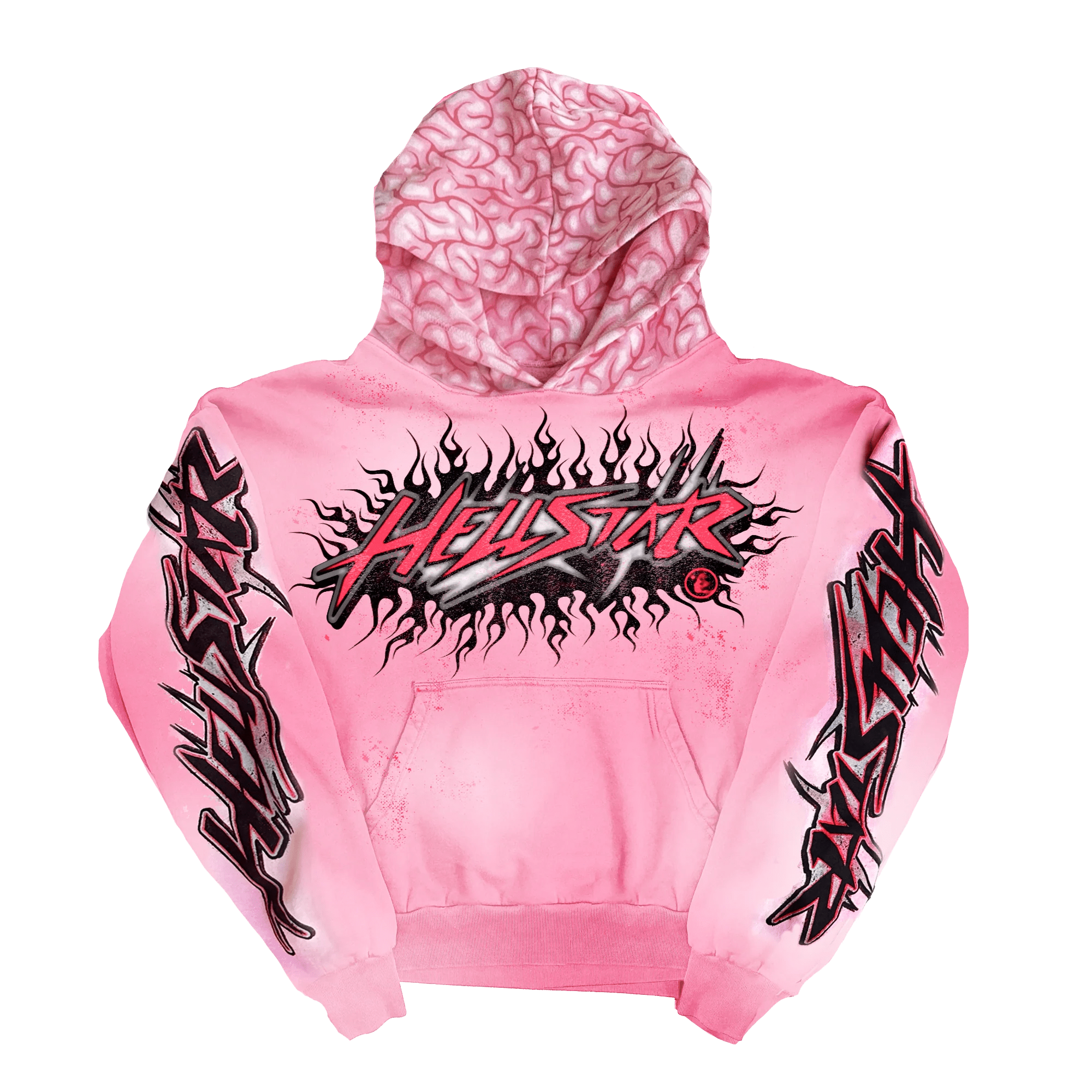
How is the fabric constructed and what does that mean for feel?
Summary: Knit construction—jersey, rib, and fleece—determines stretch, drape, and thermal properties; Hellstar uses these three main constructions across their long-sleeve line. Jersey gives a soft, breathable everyday feel; rib provides structure at cuffs and collars; fleece gives insulating bulk.
Jersey knit is single-knit, lightweight and smooth, ideal for layering and prints. Expect a clean front face that holds screen prints well but can be prone to light pilling over time if fiber twist and yarn quality are low. For Hellstar pieces marked \”classic jersey,\” the surface usually accepts prints and dye well and feels breathable on the skin.
Rib knit appears at cuffs, hems, and sometimes as a full-body option. Rib stretches across the width and recovers, making cuffs and necklines retain shape. When Hellstar uses full rib-body long sleeves, the garment looks fitted and resists sag at the sleeve hems—this is a quality signal if you want longevity in shape.
Fleece (brushed backside) is used for heavyweight or colder-season long sleeves. Brushed fleece traps air for warmth and has a plush hand, but can show lint and attract pilling if fiber quality is low. A well-made Hellstar fleece will have a dense, even nap and secure overlock seams to handle the extra bulk.
Stitching intersects with knit choice: a tubular body with flatlock sleeve seams minimizes seam bulk and irritation, while overlocked seams are standard for knit garments and hold up well if stitch density is appropriate. You can feel stitch quality—tight, even stitches that don’t pull or split are a sign of higher assembly standards.
How heavy and warm will the Hellstar long sleeve be?
Summary: Expect a range: lightweight jersey for breathability, midweight for everyday use, and heavyweight fleece for warmth; GSM ranges for these constructions are reliable predictors of warmth and structure. Look at GSM or feel the density—that tells you whether it’s a layering piece or a standalone top for cool weather.
Typical GSM ranges you can expect across comparable streetwear pieces are: lightweight jersey 140–180 GSM, midweight jersey 180–220 GSM, ribbed options 200–260 GSM, and brushed fleece 300–380 GSM. These ranges are textile-industry norms and are useful proxies when weight is not printed on the tag. A midweight 180–220 GSM piece strikes the best balance for year-round wear in temperate climates.
Weight affects drape and print appearance: lighter jerseys drape more and can show body contours and print irregularities; heavier jerseys and rib hold structure and make prints look bolder. Fleece’s mass makes it a standalone outer layer; expect more thermal retention and less breathability compared to jersey.
If warmth is your priority, check for brushed interiors and tighter knit density instead of just raw GSM; a dense 200 GSM fleece can outperform a loosely knit 250 GSM jersey in retaining heat. Also examine cuff and hem finishes—well-finished ribbed cuffs seal warmth better than plain cut hems.
Finally, remember weight correlates to packability: heavier fleece adds bulk and resists compression; jersey rolls up small and is better for travel or layering under jackets.
What stitching and finishing details indicate higher build quality?
Summary: Stitch type, stitch density, seam reinforcement, and finishing (preshrink, enzyme wash, secure labels) are practical visual indicators of long-term durability for Hellstar long sleeves. Good-quality pieces show even stitches, reinforced stress points, and minimal loose threads.
Flatlock stitching at shoulders and side seams reduces chafing and creates a flat seam profile that ages better under repeated movement; overlock is acceptable if executed cleanly with correct tension. Look specifically at shoulder seams and the crotch of side panels—these are the first places to fail on knit garments due to repeated motion stress.
Reinforced shoulder tape, bar tacks at pocket or sleeve joins, and double-needle topstitching along hems are all higher-quality signs. Tags that are heat-transferred or printed instead of sew-in can reduce irritation and come across as a thoughtful finish, especially for streetwear comfort preferences.
Print finishes matter: water-based inks soak into yarns and avoid cracking on soft jerseys, while plastisol prints sit on top and can crack with repeated stretch unless cured properly. If the garment has heavy screen prints, check the back of the print for stiff areas that may indicate thick ink layers prone to cracking.
Edge finishing—like cleanly set-in collars and ribbed neckbands—directly affects how the neckline recovers after laundering. A sagging collar after the first wash is an easy sign of cost-cutting in finishing and will reduce the perceived quality of the piece.
How does the Hellstar long sleeve wear and age over time?
Summary: Expect normal wear patterns—minor shrinkage without preshrinking, gradual softening, possible pilling on high-friction zones, and print wear depending on ink and curing quality. With proper care, the shirt should remain serviceable for multiple seasons, though heavier-use patterns reveal weak spots faster.
Pilling typically appears on the chest and underarm areas where friction is higher. The frequency and intensity of pilling depend on fiber twist, the presence of synthetic fibers, and finish treatments. Combed or ring-spun cottons pill less initially because short fibers and impurities are removed before spinning.
Shrinkage is often modest if the product is preshrunk; otherwise, expect up to 3–5% linear shrinkage on first wash for natural cotton jerseys. Blends with polyester reduce shrinkage but introduce different aging patterns like potential sheen or slight color shift. Always check the care label for temperature recommendations—hot water and high-heat drying accelerate shrink and degrade elastic finishes.
Print durability depends on ink chemistry and curing; water-based prints age softer and integrate into fibers, while plastisol can crack if the print sits thickly. Hem and cuff stretching is a common long-term issue—well-constructed ribbing and appropriate stitch density are the prevention here.
Overall, Hellstar pieces that use higher-quality yarns and show clean finishing will age predictably: softer hand, minimal structural change, and gradual aesthetic wear that many buyers find acceptable in streetwear items.
How should you launder and maintain Hellstar long sleeves?
Summary: Wash cold, inside-out, gentle cycle, tumble low or air dry; avoid high heat and aggressive detergents—these simple steps prevent shrinkage, color loss, and print damage. Follow the garment tag; when in doubt, treat it like a quality cotton knit with prints.
Turn the shirt inside-out to protect surface prints and reduce abrasion on the outer face during machine washing. Use a mild detergent without optical brighteners if you want to preserve dye richness and reduce chemical stress on fibers. Avoid fabric softener on ribbed cuffs and prints as it can reduce fabric breathability and affect ink adhesion.
Drying on low heat or, better, air-drying will reduce the risk of shrinkage and maintain collar and cuff recovery. If you must tumble-dry, remove while slightly damp and reshape on a flat surface to finish drying; heat accelerates fiber relaxation and seam stress. High-heat ironing, especially on prints, can damage both inks and synthetic fibers—use a pressing cloth and low settings if necessary.
For pilling, I recommend a fabric shaver rather than aggressive rubbing, which can thin the fabric. Spot-treat stains gently and mind colorfastness: always test a discrete area with a stain remover before applying broadly. For heavier fleece, turn inside-out before washing to protect the nap and reduce lint transfer.
Storing: fold on a flat surface rather than hanging heavy knit pieces to prevent shoulder stretch; ribbed cuffs and necklines keep shape best when not under constant downward tension from hangers.
Variant comparison: How do Hellstar long sleeve options stack up?
Summary: The main variants—classic jersey, ribbed, and brushed fleece—serve distinct uses: breathability and printability, structured fit and cuff recovery, and warmth for outerwear respectively. The table below compares typical properties and what to expect from each.
| Variant | Common Composition | Typical GSM Range | Performance Notes |
|---|---|---|---|
| Classic Jersey | 100% ring-spun cotton or 90/10 cotton/poly | 140–210 | Breathable, good for prints, soft hand; light pilling possible |
| Ribbed Body / Cuffs | Combed cotton with elastane blend in cuffs | 200–260 | Structured fit, excellent cuff/neck recovery, resists sagging |
| Brushed Fleece | 80/20 cotton/poly or 100% cotton fleece | 300–380 | Warm, insulating, plush interior; can show lint and needs secure seams |
This comparison uses industry-standard GSM ranges and common compositions tied to each knit type, which align with what you’ll see on specification tags for streetwear long sleeves. Use the table as a checklist when you inspect the product tag and feel the fabric in-store or read the online description carefully.
Beyond composition and GSM, pay attention to whether the piece is preshrunk, the type of print used, and any certification badges listed on the product page or label—those details often predict long-term behavior more accurately than marketing copy.
For daily wearers, a midweight jersey or ribbed option gives the best balance. For outerwear warmth, prioritize dense brushed fleece and stronger seam reinforcement for longevity under heavier use.
Remember: the same composition can perform differently depending on yarn quality, twist, and finishing—so examine samples where possible rather than relying solely on listed percentages.
Expert tip
\”When a Hellstar long sleeve has heavy screen prints, always wash it inside-out and skip the dryer—even low heat accelerates microcracking of inks. Treat prints like fragile finishes: the fewer heat-and-abrasion cycles, the longer the artwork looks sharp.\” — Product care specialist and textile technician
This advice prevents the most common post-purchase regret: perfectly good knit and tailoring ruined by careless laundering. Taking the print-first approach to washing extends both aesthetic life and structural integrity of the garment.
It works because turning garments inside-out reduces friction against the drum and other garments, and skipping the dryer avoids thermal stress on both fibers and inks. For heavier fleece items, the same rule applies regarding heat but you can tumble briefly to fluff the nap if needed, then air-dry to finish.
If you follow this counsel, you will preserve collar shape, reduce pilling, and maintain print crispness significantly longer than typical user behavior allows. It’s a small habit that yields outsized returns for streetwear pieces with graphic priorities.
Little-known facts about Hellstar long-sleeve construction
1) Many streetwear brands use tubular bodies for shirts to avoid side seams and keep prints centered; a tubular Hellstar body improves print symmetry but can reduce fit precision for tapered silhouettes. 2) Water-based inks are preferred for soft-hand prints on ring-spun cotton because they seep into the yarn and age with the fabric instead of peeling off. 3) Ribbed neckbands often include a small amount of elastane for recovery, even when the main body is 100% cotton; this is how manufacturers balance natural fiber comfort with shape retention. 4) Some Hellstar fleece pieces receive silicone softeners during finishing for a smoother nap, which improves initial hand but can slightly affect absorbency. 5) Preshrinking is not universal—if absent, expect a small first-wash dimensional change, especially on 100% cotton jerseys.
These facts are practical: they explain why two shirts with the same percentages on the tag can feel and wear differently. Look for the subtle signs—printed tags, inside seams, and cuff construction—to decode how the piece was finished and what to expect through ownership.
Understanding these nuances lets you choose the variant that matches your use case: long-lasting printed tees, shape-retaining staple tops, or warm but bulkier fleece layers. Each design decision in the manufacturing chain trades off among cost, feel, and longevity.
That knowledge helps you spot quality without specialized tools: feel the neckband, stretch the cuff gently, flip the print to feel ink thickness, and inspect seams for stitch density. Those tactile checks are more predictive than marketing adjectives alone.
Finally, if you care about sustainability, check for OEKO-TEX or GOTS labels; they are the clearest certification signals for chemical safety and organic content respectively and reduce the guesswork when assessing manufacturing practices.
Summary assessment
Summary: Hellstar long sleeves deliver a predictable streetwear mix—comfortable ring-spun/combed cotton constructions, functional rib details, and fleece options for warmth—when finished correctly they wear well and accept prints attractively. Prioritize midweight jersey or ribbed pieces for everyday use; choose fleece for insulation but inspect seams closely for bulk-handling quality.
Key purchase checks: read the fabric composition and GSM if provided, feel the collar and cuff recovery, inspect stitch quality and print thickness, and look for preshrink or certification marks. Care practices make a measurable difference: inside-out cold washing and low-heat or air drying preserve fit and print longevity.
If you apply the expert tip and the purchase checks, most Hellstar long sleeves will provide good value for typical streetwear use and maintain appearance across seasons. The primary risks are pilling on lightweight jerseys and print cracking on thickly printed plastisol graphics; both are avoidable with simple care and attention at purchase.
Use the variant comparison and little-known facts above to match a Hellstar piece to your priorities—fit, print durability, warmth, or long-term shape retention—so you buy the right construction for your needs rather than relying on aesthetics alone.
By focusing on observable tags and tactile signals, you make a prediction about garment performance that is practical, verifiable, and repeatable across new pieces in Hellstar’s long-sleeve lineup.
 No products in the cart.